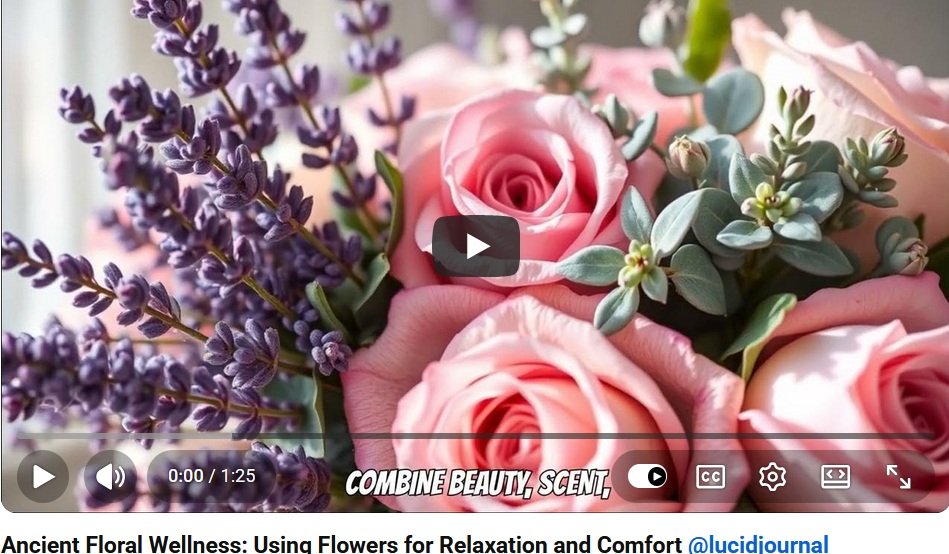
Flowers have fascinated people for thousands of years. Their fragrance, beauty, symbolism, and connection to nature have made them important in rituals, medicine, celebrations, spirituality, and emotional wellbeing across countless cultures.
Long before modern wellness trends, ancient civilizations were already using flowers, herbs, oils, and botanical fragrances to create calming environments and support emotional balance. Today, aromatherapy continues this tradition through fresh flowers, essential oils, and wellness-inspired floral arrangements.
What Is Aromatherapy?
Aromatherapy is the practice of using natural plant fragrances — often from flowers, herbs, roots, and leaves — to create emotional comfort and a pleasant atmosphere.
Modern aromatherapy commonly includes:
- Essential oils
- Fresh flowers
- Dried botanicals
- Scented gardens
- Wellness-inspired bouquets
- Relaxation spaces
While the word “aromatherapy” is relatively modern, the use of fragrant plants dates back thousands of years.
Ancient Egypt and Floral Fragrance
Ancient Egyptians are among the earliest civilizations known for using flowers and aromatic oils in daily life and spiritual ceremonies.
Fragrant flowers such as lotus, jasmine, lily, and rose were highly valued for:
- Perfumes
- Temple rituals
- Bathing oils
- Royal ceremonies
- Relaxation and luxury
Egyptian priests and royalty often used scented oils made from flowers and herbs to create calming and sacred environments.
Historical note: The blue lotus flower was especially important in ancient Egypt and symbolized spirituality, rebirth, and beauty.
Greek and Roman Flower Traditions
The ancient Greeks and Romans expanded the use of flowers, perfumes, and botanical oils in everyday life.
Fragrant flowers were used in:
- Public baths
- Gardens
- Massage oils
- Celebrations
- Homes and dining spaces
Roses were especially prized and became symbols of love, beauty, comfort, and luxury.
Greek physicians also studied plants and herbs for their calming and restorative qualities.
Ancient China and Herbal Fragrance
In ancient Chinese traditions, flowers and herbs were deeply connected to balance, harmony, and wellness.
Fragrant plants such as jasmine, chrysanthemum, lotus, and green tea flowers were valued for creating peaceful environments and encouraging mindfulness.
Gardens were designed not only for beauty, but also for emotional calm and spiritual reflection.
Indian Traditions and Sacred Flowers
Flowers have long been important in Indian culture, spirituality, and Ayurvedic traditions.
Jasmine, rose, marigold, lotus, and sandalwood have been used in:
- Meditation spaces
- Religious ceremonies
- Perfumes and oils
- Home decoration
- Relaxation rituals
Floral garlands and fragrant oils continue to play an important role in Indian celebrations and wellness practices today.
Medieval Herb and Flower Gardens
During medieval times in Europe, monasteries and cottage gardens often included fragrant herbs and flowers for practical and emotional purposes.
Lavender, chamomile, rosemary, sage, roses, and mint were grown in garden spaces around homes and religious communities.
These gardens provided:
- Natural fragrance
- Beauty and colour
- Herbal ingredients
- Calming environments
- Connection to nature
Many of today’s cottage-style wellness gardens are inspired by these historical traditions.
The Birth of Modern Aromatherapy
The modern term “aromatherapy” became popular in the early 20th century when French chemist René-Maurice Gattefossé studied essential oils and plant fragrances.
Over time, aromatherapy evolved into a wellness practice focused on creating calming and pleasant environments using natural botanical scents.
Today, aromatherapy includes:
- Essential oil diffusers
- Fresh flowers
- Spa experiences
- Self-care routines
- Relaxation gardens
- Wellness-inspired floral arrangements
Flowers Most Associated With Aromatherapy
| Flower | Traditional Association |
|---|---|
| Lavender | Calmness and relaxation |
| Rose | Love, comfort, beauty |
| Jasmine | Luxury and emotional uplift |
| Chamomile | Gentleness and peace |
| Lotus | Spirituality and rebirth |
| Eucalyptus | Freshness and cleansing atmosphere |
Modern Floral Wellness and Home Aromatherapy
Today, people continue ancient traditions by using flowers to create relaxing home environments and self-care spaces.
Modern floral aromatherapy often includes:
- Scented bouquets
- Lavender arrangements
- Fresh eucalyptus
- Wellness-inspired floristry
- Garden-style floral designs
- Mindful home décor
Many florists now design bouquets specifically around mood, comfort, and wellness themes.
Why Flowers Still Matter Emotionally
Flowers continue to matter because they combine fragrance, colour, beauty, and emotional meaning in a natural way.
Even in modern life, flowers can:
- Make homes feel calmer
- Encourage mindfulness
- Support self-care routines
- Create emotional comfort
- Connect people to nature
This timeless emotional connection explains why flowers remain important across cultures and generations.
Creating Your Own Ancient-Inspired Floral Space
You can bring ancient floral traditions into modern life by creating your own calming aromatherapy space at home.
Simple ideas include:
- Keeping lavender in the bedroom
- Using roses in living spaces
- Adding eucalyptus to bathrooms
- Growing fragrant herbs in the garden
- Creating quiet corners for reading or meditation
These small touches help create peaceful daily rituals inspired by centuries of floral wellness traditions.
Final Thoughts
The history of aromatherapy and flowers stretches across ancient Egypt, Greece, Rome, China, India, and Europe. Throughout history, people have used flowers and botanical fragrance to create beauty, comfort, spirituality, and emotional calm.
Today, scented flowers continue to play an important role in wellness-inspired living. Whether through fresh bouquets, fragrant gardens, or self-care rituals, the ancient power of flowers remains timeless.
Frequently Asked Questions About Aromatherapy History
Where did aromatherapy begin?
Aromatherapy traditions date back thousands of years to ancient Egypt, Greece, China, India, and Rome.
What flowers were used in ancient aromatherapy?
Lavender, lotus, roses, jasmine, chamomile, and lilies were commonly associated with fragrance and wellness traditions.
Why were flowers important in ancient cultures?
Flowers were valued for beauty, perfume, spirituality, relaxation, celebrations, and emotional comfort.
What is the most popular flower in modern aromatherapy?
Lavender is one of the most popular flowers associated with relaxation and wellness today.
Can fresh flowers support modern wellness routines?
Yes. Fresh flowers can help create calming environments that encourage mindfulness, comfort, and relaxation.
Aromatherapy Related Articles